Mobility and Flexibility: The Key to Injury Prevention for Active Women
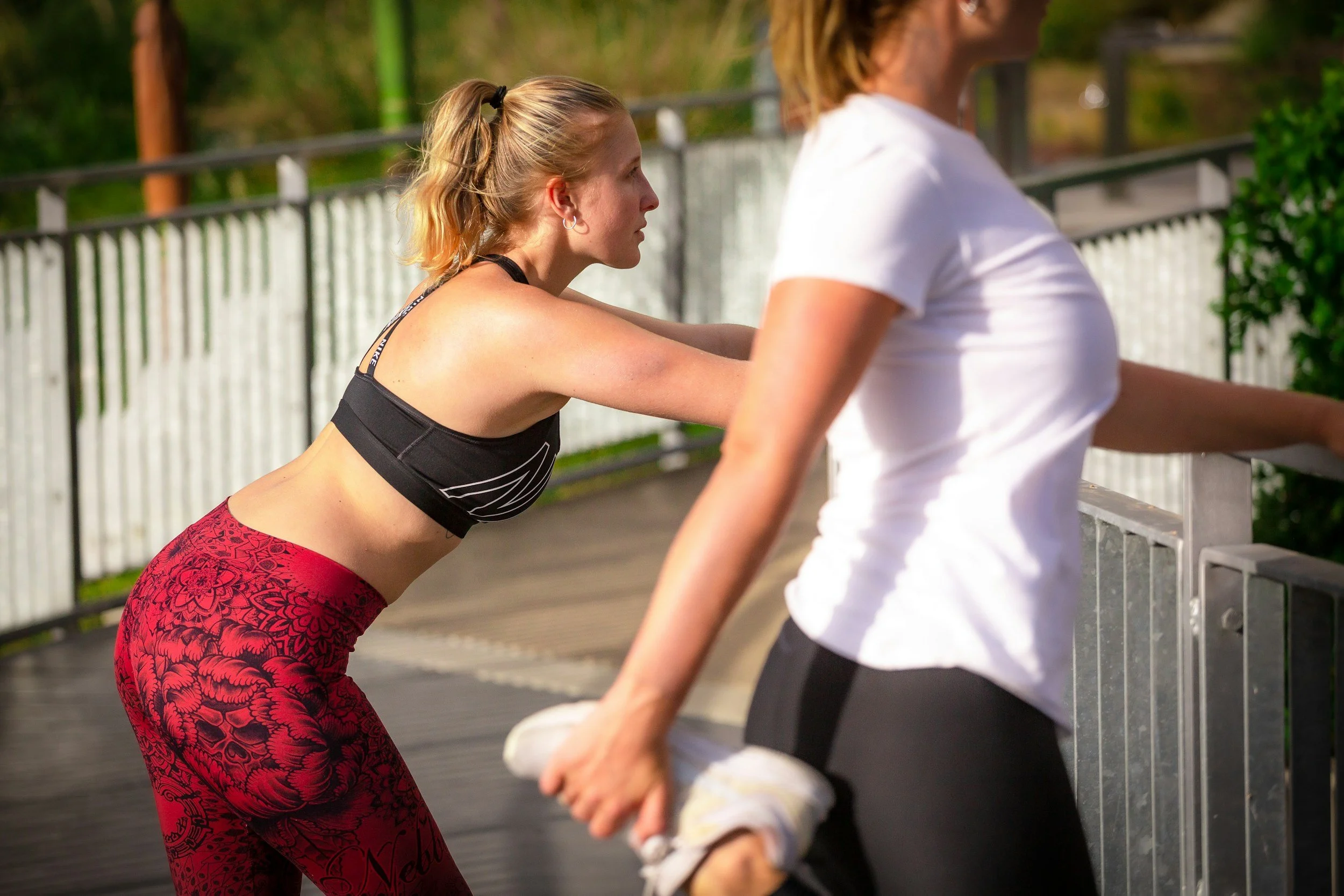
As active women, we often push ourselves to do more—whether it’s tackling a steep climb, hiking for hours, or hitting the gym hard. But there’s one area of fitness that’s frequently overlooked in the pursuit of strength and endurance: mobility and flexibility. These aren’t just buzzwords—they’re crucial components of injury prevention and long-term physical health, especially as we age.
Think about it. We spend so much time building strength and pushing our physical limits, but if our muscles and joints aren’t able to move through their full range of motion, we set ourselves up for injury. The reality is, tight muscles and stiff joints can lead to overcompensation, poor posture, and, eventually, pain or injury. If you’re consistently pushing your body without focusing on mobility and flexibility, you’re missing a key piece of the puzzle.
The Importance of Mobility and Flexibility
Let’s break it down: mobility refers to the ability of a joint to move through its full range of motion. Flexibility is the ability of your muscles to lengthen and allow those movements. When you have adequate mobility and flexibility, your body can move more efficiently, with less strain.
For women over 30, this becomes even more important. As we age, our joints and muscles naturally lose some of their elasticity and mobility. If we don’t actively work to maintain it, we can experience tightness and stiffness that leads to chronic pain or injury. This is especially true if you’re participating in regular outdoor activities or strenuous workouts, where those same muscles and joints are constantly being pushed to their limits.
How Mobility and Flexibility Prevent Injury
By maintaining or improving your mobility and flexibility, you help prevent the types of injuries that can sideline you for weeks or even months. Here’s how:
Improved Joint Function: When your joints move freely through their full range of motion, you reduce the risk of strains and sprains. For example, hip mobility is key for activities like climbing, hiking, or running. Without proper range of motion in the hips, you’re more likely to overcompensate, leading to lower back pain or knee injuries.
Reduced Muscle Tension: Tight muscles can create imbalances in the body, making certain areas more prone to injury. Regular stretching and mobility exercises help to release muscle tension, improve circulation, and enhance overall flexibility, making it easier to move with ease and efficiency.
Enhanced Posture: Flexibility and mobility work helps maintain good posture by balancing muscle length and improving alignment. Postural imbalances—such as rounded shoulders or forward head posture—are common in women who spend time sitting at desks or looking down at screens. These imbalances can lead to neck, shoulder, and back pain, but improving your flexibility and mobility can help reverse these effects.
Better Recovery: If you’re not incorporating mobility and flexibility into your routine, your recovery will likely be slower. Stretching and foam rolling can help to reduce soreness after exercise and improve muscle recovery by releasing tension and improving circulation.
What the Science Says
There’s a lot of research showing just how important mobility and flexibility are for injury prevention. A study published in the Journal of Strength and Conditioning Research found that flexibility training can reduce the likelihood of injury and enhance overall physical performance in athletes. The study emphasizes that increasing the range of motion around joints can reduce muscle strain and prevent injuries related to overuse or tightness (Research on Flexibility Training and Injury Prevention).
How to Incorporate Mobility and Flexibility into Your Routine
If you’re not already working on your mobility and flexibility, now is the time to start! Here are a few easy ways to add them to your fitness routine:
Dynamic Warm-ups: Before your workout or outdoor adventure, try doing dynamic stretches—such as leg swings, arm circles, and hip rotations—to get your body ready for movement. This helps improve mobility and activate the muscles you’ll be using.
Static Stretching: After your workout, spend a few minutes holding static stretches for the major muscle groups. Focus on areas like your hips, hamstrings, calves, and shoulders to release tightness and increase flexibility.
Foam Rolling: Use a foam roller to target tight areas and release muscle knots. This can be a game-changer for improving muscle elasticity and promoting recovery.
Yoga or Pilates: These practices focus on both mobility and flexibility, incorporating movements that improve joint range of motion and muscle length.
Regular Mobility Routines: Incorporate a mobility routine into your weekly workouts. This could include exercises like hip openers, shoulder dislocations, and ankle circles to improve joint mobility.
Conclusion
Mobility and flexibility should be at the forefront of any active woman’s routine. Not only do they reduce the risk of injury, but they also improve your performance and recovery. By focusing on keeping your joints and muscles mobile, you’re ensuring that your body remains capable of doing what you love—whether that’s hiking, climbing, biking, or simply living your best, most active life.
If you’re not already incorporating mobility and flexibility work into your routine, now is the time to start. Your body will thank you for it, and you’ll be ready to tackle any adventure that comes your way—pain-free!
