The Science of Strength: Why Building Functional Strength Matters for Women Over 30
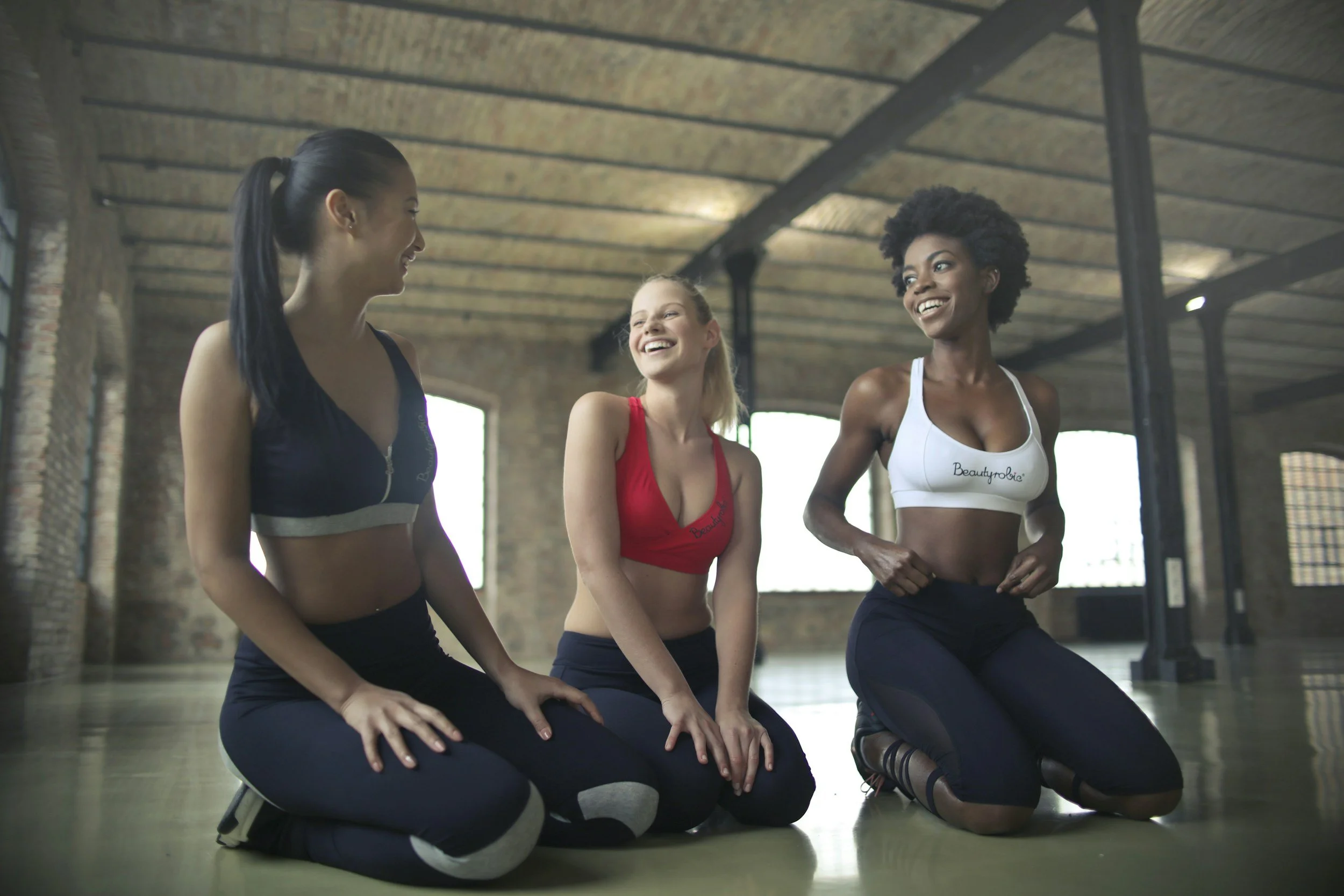
As women over 30, we often start to feel a shift in our bodies. Things that used to come easily—whether it was climbing a mountain, picking up heavy groceries, or even playing with our kids—might start to feel a little bit harder. But here’s the good news: strength training is a game-changer for women in this age group.
But not just any kind of strength training—we’re talking about functional strength. What does that mean exactly? Let’s break it down.
Why Functional Strength?
Functional strength isn’t about bulking up or lifting the heaviest weights in the gym—it’s about building the kind of strength that helps us in everyday life. It’s the ability to squat down and pick up something off the ground without straining your back. It’s the strength needed to carry a heavy pack on a hike or to climb over a boulder on a trail. Functional strength is movement-based, and it helps support the activities that we all love to do—especially as we age.
Research shows that maintaining strength as we get older can improve our mobility, reduce the risk of injury, and even enhance our mental health. In fact, a study published in the Journal of Strength and Conditioning Research shows that strength training helps preserve muscle mass, which is crucial for maintaining bone density and overall metabolic function as we age (Study on Strength Training and Muscle Mass).
The Science Behind Strength Training and Bone Health
As women, we face a higher risk of osteoporosis as we age, especially after menopause. Why? Because our estrogen levels decrease, which can lead to a loss in bone density. That’s where strength training comes in. Research shows that regular weight-bearing exercises, such as squats, lunges, and deadlifts, help stimulate the bones to retain density and become stronger. This is key for reducing the risk of fractures and falls later in life.
Strength Training and Mental Health
Did you know that building strength doesn’t just improve your body—it can improve your mind too? Strength training has been shown to boost endorphin levels, those "feel-good" hormones that can reduce stress and anxiety. Plus, it can help regulate sleep, which we all know is vital for recovery, mood regulation, and overall well-being.
How Basecamp Helps You Build Functional Strength
One of the core components of the Basecamp program is developing functional strength. Instead of focusing on isolation exercises (think: just working biceps or triceps), we focus on movements that build strength in ways you’ll actually use in your everyday life and outdoor adventures. We emphasize exercises that are scalable, so no matter your starting point, you can progress at your own pace and feel stronger, more capable, and more confident.
In Basecamp, we focus on building mobility alongside strength because they go hand-in-hand. You need the range of motion to perform exercises safely and effectively, and you need the strength to carry out those movements with ease.
Get Started: Training Smarter, Not Harder
If you're over 30 and you haven’t been strength training, now is the time to start. It’s never too late to build the strength and resilience needed for a long, healthy life, and Basecamp is here to help guide you every step of the way.
Remember, it's not about lifting the heaviest weight—it’s about training smarter, building strength that supports your body, and being able to do the things you love without pain or limitation.
If you want to learn more about the science of strength training and its benefits for women, I highly recommend checking out the research article linked above. Strength is a journey, and I’m here to support you along the way!
